
Expenses - to claim or not to claim
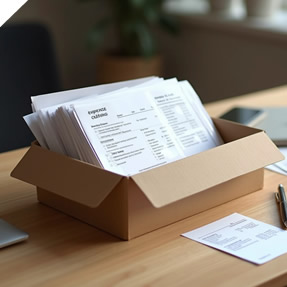
Starting or running a business in New Zealand is an exciting journey, but it comes with its share of responsibilities—taxes being one of the biggest. For new and established entrepreneurs alike, understanding what you can and can't claim as business expenses can save you money, keep you compliant with Inland Revenue (IRD), and reduce the stress of tax season. Let's break it down into practical terms for Kiwis keen to make their business thrive.
The Basics: What Counts as a Business Expense?
In New Zealand, a business expense is something you can claim if it's directly related to earning your income. The IRD's golden rule is simple: it must be an expense you incur while running your business, not for personal use. If you're a sole trader, contractor, or running a small company, keeping track of these expenses can lower your taxable income, meaning you pay less tax overall.
Common expenses you can claim include:
- Office Costs: Rent for your workspace, stationery, or software subscriptions like Xero for accounting. Even a portion of your home internet and power bills can count if you work from home—just calculate the percentage used for business.
- Travel: Flights, accommodation, or mileage (at the IRD's rate of 95 cents per kilometre for the first 14,000 km as of 2023) for business trips, like meeting clients in Auckland or attending a conference in Christchurch.
- Vehicle Expenses: Fuel, repairs, or insurance if your car or van is used for work. If it's a mix of business and personal use, you'll need to apportion it—say, 70% business, 30% personal—based on a logbook.
- Marketing: Website hosting, Google Ads, or printing flyers to promote your business.
- Professional Services: Fees for your accountant, lawyer, or even a business coach if it's helping you grow.
- Stock and Materials: If you're selling products, the cost of goods or raw materials is deductible.
- Depreciation: For big-ticket items like computers or machinery, you can claim a portion of their cost over time as they lose value.
The key is to keep records—receipts, invoices, bank statements—because the IRD might ask for proof if they audit you.
Working from Home? Here's the Deal
With more Kiwis running businesses from their living rooms or garages, home office expenses are a hot topic. You can claim a portion of your rent or mortgage interest, rates, power, and internet, but only based on the space and time used for work. For example, if your office takes up 10% of your house and you work there full-time, you could claim 10% of those costs. The IRD's simplified square-metre rate (around $47.85 per square metre in 2023, adjusted annually) makes this easier—just measure your workspace and multiply.
In New Zealand, a business expense is something you can claim if it's directly related to earning your income.
What You Can't Claim
Not everything qualifies, and mixing personal and business expenses is where people often trip up. Here's what's off the table:
- Personal Expenses: Your morning flat white, groceries, or a Netflix subscription don't count, even if you brainstormed your next big idea while watching a doco.
- Clothing: That sharp suit for client meetings? Unless it's a branded uniform or protective gear (like a builder's hi-vis), it's not deductible.
- Fines and Penalties: Speeding tickets or late tax penalties won't fly with the IRD.
- Entertainment (Mostly): Taking a client out for dinner or rugby tickets sounds like a great idea, but only 50% of these costs are claimable—and only if there's a clear business purpose. Wining and dining yourself or your mates doesn't cut it.
- Capital Purchases (Directly): Buying a $10,000 machine? You can't claim the full cost in one go unless it's under $1,000 (the low-value asset threshold as of 2023). For bigger items, spread it out via depreciation.
- Private Use Portion: If your car or phone is partly for personal use, you can't claim the whole cost—only the business portion.
GST: A Quick Note
If you're GST-registered (mandatory if your turnover exceeds $60,000 annually), you can claim back the GST on business expenses, but only if you've got a tax invoice. No GST registration? You claim the full cost, including GST, as an expense. It's worth chatting with an accountant to see if registering makes sense for you.
Tips to Stay on Top
- Separate Accounts: Use a dedicated business bank account. It's not required, but it makes tracking expenses a breeze.
- Software: Tools like Xero or Hnry (great for freelancers) automate expense tracking and tax calculations.
- Talk to the Pros: Tax rules change—think 2023's updates to working-from-home rates—so an accountant can keep you ahead of the game.
- File Regularly: Whether it's GST returns or income tax, don't let it pile up. Late filings mean penalties, and no one wants that.
Final Thoughts
Navigating tax and expenses might not be the most thrilling part of running a business, but getting it right sets you up for success. Claim what you're entitled to, avoid what you can't, and keep good records. In New Zealand's small but mighty business landscape, every dollar counts—whether you're a startup in Wellington or a tradie in Dunedin. So, grab a coffee (claimable if you're meeting a client!), and take control of your tax game. Your future self—and your wallet—will thank you.
The information provided in this article is general in nature and intended for informational purposes only. It should not be considered professional advice. For specific guidance tailored to your business, please consult a qualified professional.