
What Records Do I Need to Keep?
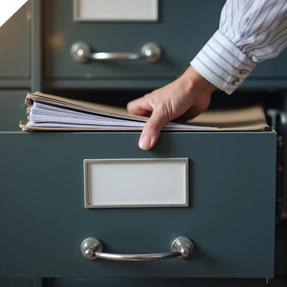
Starting or running a business in New Zealand is an exciting journey filled with opportunities, but it also comes with responsibilities. One of the less glamorous yet critical aspects of managing a business is recordkeeping. Whether you're launching a café in Wellington, a tech start-up in Auckland, or a small trade operation in Dunedin, keeping accurate and organised records is essential for staying compliant, managing finances, and growing your business. This guide will walk you through why recordkeeping matters, the types of records you need to keep, and how long to hold onto them.
Why Recordkeeping Matters
Good recordkeeping isn't just about ticking boxes for the government—it's a lifeline for your business. It helps you track your financial health, meet tax obligations, and make informed decisions. In New Zealand, the Inland Revenue Department (IRD) requires businesses to maintain records to support tax returns and ensure compliance with laws like the Companies Act 1993 or the Tax Administration Act 1994. Poor recordkeeping can lead to penalties, missed deductions, or even audits. Beyond compliance, well-kept records give you a clear picture of cash flow, profitability, and areas for improvement—vital for any entrepreneur.
Types of Records to Keep
As a business owner in New Zealand, you'll need to manage several categories of records. Here's a breakdown of the essentials:
1. Financial Records
These are the backbone of your business's recordkeeping system. Financial records include:
- Income and Sales Records: Invoices, receipts, bank statements, and point-of-sale reports showing what you've earned.
- Expense Records: Receipts, bills, and credit card statements for costs like rent, utilities, stock, or wages.
- Cash Flow Records: If you handle cash, keep a cashbook or daily tally to track money in and out.
- Tax Records: GST returns, PAYE records (for employee wages), and income tax filings.
For example, if you're GST-registered (required if your turnover exceeds $60,000 annually), you'll need detailed records of taxable supplies and purchases to file accurate returns every one, two, or six months.
2. Business Transaction Records
These cover the nuts and bolts of your operations:
- Contracts and Agreements: Deals with suppliers, clients, or landlords.
- Purchase Orders and Delivery Notes: Proof of what you've ordered and received.
- Loan or Lease Documents: Terms and repayment schedules if you've borrowed money or leased equipment.
A tradie in Christchurch, for instance, might keep delivery notes for materials to match against invoices and ensure they're not overcharged.
Good recordkeeping isn't just about compliance—it's your business's memory, helping you track growth, spot opportunities, and make informed decisions for the future.
3. Employee Records
If you hire staff, you're legally required to keep detailed records, including:
- Wage and Time Records: Hours worked, pay rates, overtime, and leave balances.
- Employment Agreements: Signed contracts outlining terms and conditions.
- Tax Information: IRD numbers and PAYE deductions for each employee.
Under the Employment Relations Act 2000, these records ensure fair treatment and compliance with minimum wage or holiday pay rules.
4. Asset Records
Anything your business owns—computers, vehicles, machinery—needs documenting:
- Purchase Receipts: Proof of cost and ownership.
- Depreciation Schedules: How the value decreases over time for tax purposes.
- Maintenance Logs: Repairs or servicing history.
A small retailer in Hamilton might track a delivery van's purchase and upkeep to claim depreciation and justify expenses.
5. Legal and Compliance Records
These protect your business and prove you're following the rules:
- Business Registration: Your NZBN (New Zealand Business Number) or incorporation documents if you're a company.
- Licences and Permits: Industry-specific approvals, like a liquor licence for a bar.
- Health and Safety Records: Incident reports or training logs, especially important for high-risk industries like construction.
6. Digital Records
In today's world, many records are electronic. Emails, cloud-based accounting files (like Xero), and online invoices count too. Ensure they're backed up and secure—cybersecurity is a growing concern for Kiwi businesses.
How Long Should You Keep Records?
Retention periods vary depending on the type of record and legal requirements in New Zealand. Here's a general guide:
- Tax-Related Records: The IRD requires you to keep financial and tax records for 7 years after the tax year they relate to. This includes income, expenses, GST returns, and fringe benefit tax (FBT) records. Even if your business closes, you're still on the hook for seven years. For example, if you file your 2025 income tax return in 2026, keep those records until at least 2033.
- Employee Records: Wage and time records must be kept for 6 years under the Wages Protection Act 1983. Employment agreements and leave records should be retained for the duration of employment plus 7 years after an employee leaves, aligning with tax rules.
- Company Records: If you run a company, the Companies Act 1993 mandates keeping records like shareholder details, meeting minutes, and financial statements for 7 years. Some records, like the company constitution, should be kept indefinitely.
- Asset Records: Hold onto these for 7 years after you sell or dispose of the asset, as they impact tax calculations like depreciation or capital gains (if applicable in the future).
- Contracts and Legal Documents: Retain these for 7 years after the contract ends, in case disputes arise. For major transactions (e.g., property leases), consider keeping them longer for peace of mind.
If in doubt, err on the side of caution—keeping records a bit longer than required rarely hurts, but tossing them too soon could land you in hot water.
Tips for Effective Recordkeeping
- Go Digital: Tools like Xero, QuickBooks, or even spreadsheets can streamline the process. Many Kiwi businesses love Xero for its local tax compliance features.
- Organise Regularly: Set aside time weekly or monthly to file receipts, reconcile accounts, and update records. It's less daunting than a year-end scramble.
- Separate Business and Personal: Use a dedicated business bank account to avoid muddling finances—a common rookie mistake.
- Back Up Everything: Store physical copies securely and back up digital files to the cloud or an external drive.
- Seek Advice: A local accountant or bookkeeper can tailor a system to your business and ensure you're meeting Kiwi regulations.
Final Thoughts
Recordkeeping might not be the most thrilling part of running a business, but it's a cornerstone of success in New Zealand's entrepreneurial landscape. From tracking your first sale to filing your tenth tax return, these records keep you compliant, informed, and in control. Whether you're a sole trader in Rotorua or a growing company in Queenstown, building good habits early saves headaches later. Start small, stay consistent, and don't hesitate to lean on technology or professionals to lighten the load. Your future self—and the IRD—will thank you.
The information provided in this article is general in nature and intended for informational purposes only. It should not be considered professional advice. For specific guidance tailored to your business, please consult a qualified professional.